
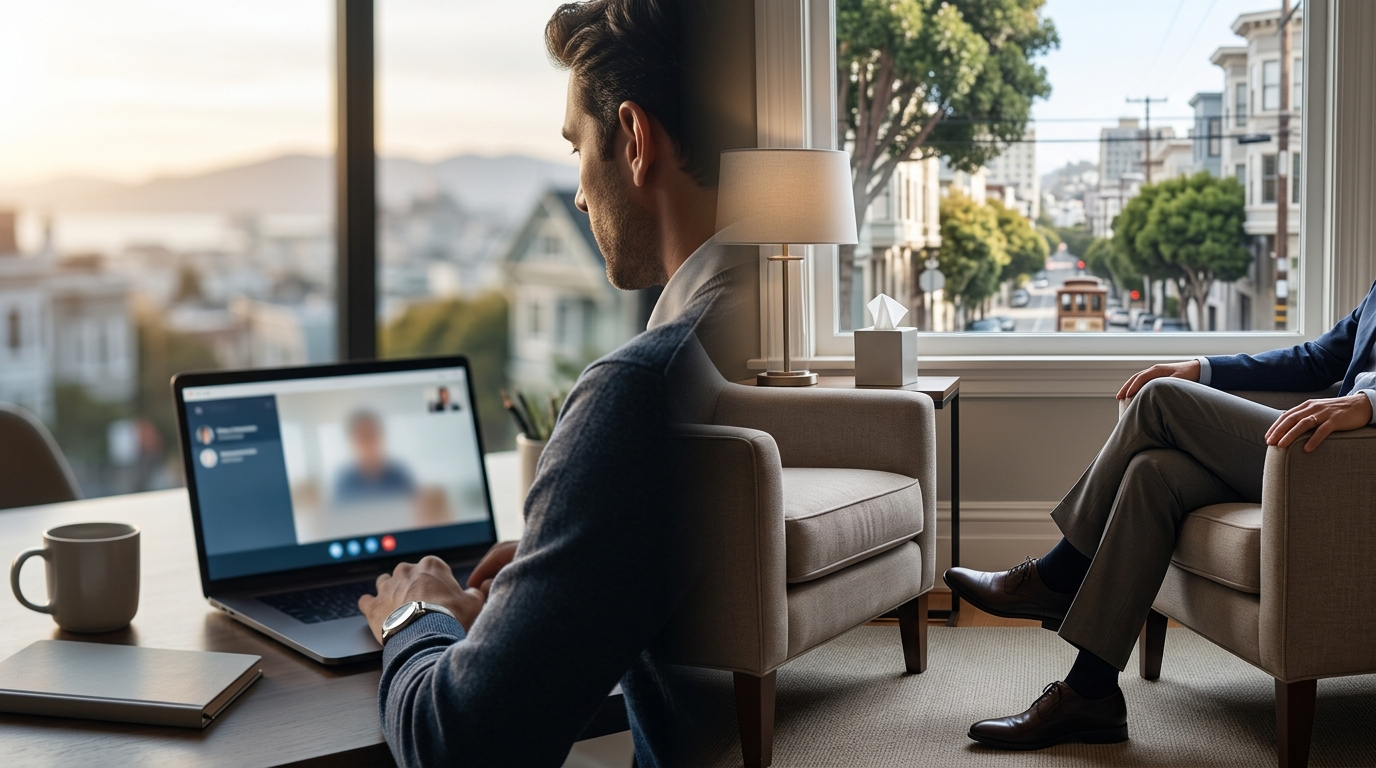
ADHD affects approximately 4.4% of adults in the United States, yet access to specialized psychiatric care remains a significant hurdle for many busy professionals. According to recent mental health accessibility reports, the gap between diagnosis and effective treatment often widens due to logistical barriers like scheduling conflicts and geographic limitations. For residents in San Francisco, Seattle, and New York City, the choice between remote telehealth and in-person visits is no longer just about convenience; it is about clinical efficacy, privacy, and continuity of care. This guide breaks down the critical differences to help you decide which model aligns with your specific needs. (ADHD Friendly Psychiatry SF)
Why the Choice Between Remote and In-Person Matters
ADHD is a neurodevelopmental disorder characterized by persistent patterns of inattention, hyperactivity, and impulsivity that interfere with functioning or development. The way you receive care directly impacts your ability to manage symptoms effectively. Traditional psychiatric models often require rigid monthly appointments, which can lead to missed visits and treatment gaps. In contrast, modern concierge models prioritize direct access and flexibility. (SF PSYCHIATRIC Expert ADHD)
For high-performing professionals, the burden of travel and waiting rooms can exacerbate stress and reduce the time available for actual treatment. Understanding the nuances of each option allows you to make an informed decision that supports both your mental health and your professional responsibilities. (ADHD Medication Management SF)
The Advantages of Remote ADHD Care
Telehealth has revolutionized psychiatric care, particularly for ADHD management. SF Psychiatric offers remote services to professionals in San Francisco, Seattle, and New York City, ensuring that geographic location does not dictate the quality of care you receive.
Flexibility and Accessibility
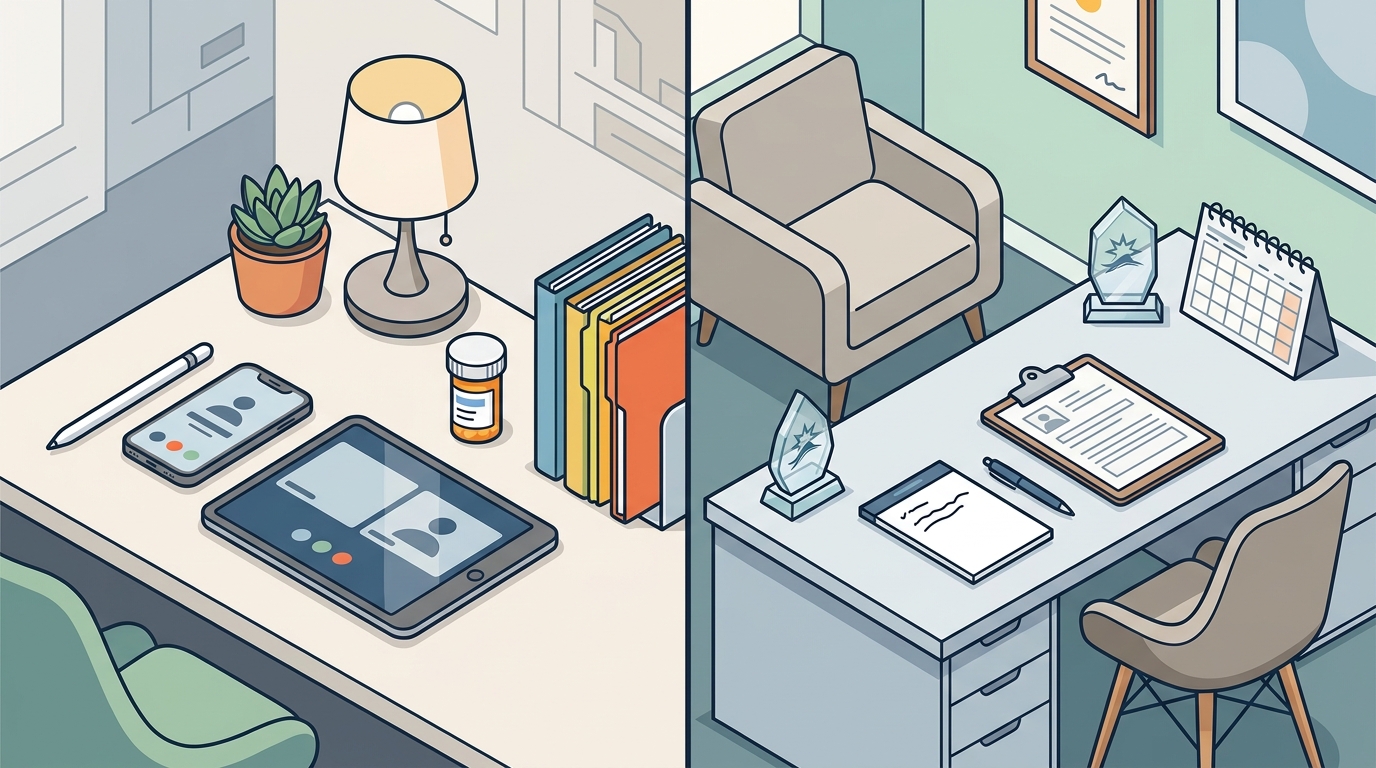
One of the primary benefits of remote care is the ability to schedule yourself online without the need for extensive travel. This model eliminates the friction of commuting, allowing you to attend sessions from your home or office. For those juggling demanding schedules, this flexibility is invaluable. You can access care when you need it, rather than waiting for a specific slot that may not align with your work commitments.
Privacy and Discretion
High-profile individuals often prioritize privacy. Remote consultations offer a layer of discretion that is difficult to achieve in traditional clinic settings. You can engage in therapy and medication management without the risk of being seen entering a psychiatric office. This discretion is crucial for maintaining professional boundaries and personal comfort.
Continuity of Care
Remote care facilitates consistent monitoring of your medication and symptoms. With direct communication via text, phone, or email, you can address urgent issues promptly. This continuous support helps prevent the