

Common Mistakes When Seeking Stimulant Prescriptions From SF Psychiatrists and How to Avoid Them
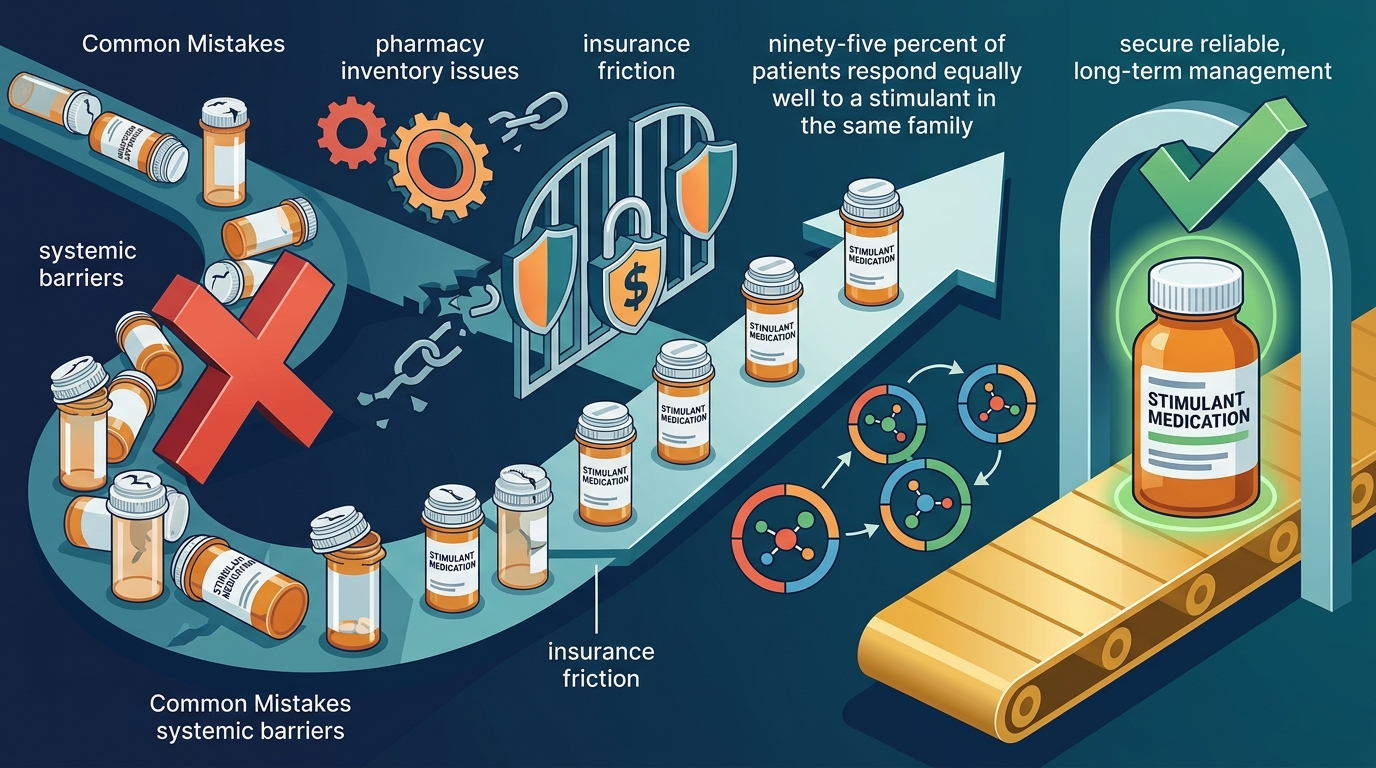
Stimulant medication shortages have created a chaotic landscape for patients seeking ADHD treatment in San Francisco. SF Psychiatric reports that ninety-five percent of patients respond equally well to a stimulant in the same family, yet many struggle to find any available option. This scarcity means that traditional pathways to care are often blocked by pharmacy inventory issues and insurance friction. Understanding these systemic barriers is the first step toward securing reliable, long-term management for your condition.
Mistake 1: Assuming Traditional Insurance Models Still Work
Many professionals attempt to navigate the standard healthcare system, expecting their insurance to cover routine visits and medication refills seamlessly. This approach often fails because traditional psychiatry relies on monthly visits and prior authorizations that are slow to process. During a stimulant shortage, these delays become critical failures that leave patients without medication for weeks.
ADHD is a neurodevelopmental disorder characterized by persistent inattention, hyperactivity, and impulsivity that interferes with functioning or development. When you rely on a fragmented insurance network, you are at the mercy of pharmacy stock levels and bureaucratic approval times. A more effective approach involves seeking providers who offer direct access and flexible scheduling. Concierge models, such as those offered by SF Psychiatric, remove the monthly visit requirement and provide direct communication channels for urgent needs.
By choosing a model that prioritizes direct provider access, you bypass the phone trees and hold times that typically plague traditional care. This ensures that when a medication shortage occurs, your provider can immediately pivot to alternative treatments or notify you of new stock arrivals.
Mistake 2: Ignoring the Importance of Genetic Testing
A frequent error in seeking prescriptions is accepting the first medication trial without considering how your body metabolizes drugs. Genetic testing identifies how your DNA affects your response to specific medications. Without this data, you may undergo weeks of trial and error, experiencing side effects that could have been predicted.
Research indicates that genetic variations can significantly alter the efficacy of psychotropic medications. By utilizing genetic testing, providers can identify the best medications for your DNA before you ever take a pill. This precision medicine approach reduces the time to find a working treatment plan and minimizes the risk of adverse reactions. Providers like SF Psychiatric offer this service to ensure that your treatment is tailored to your unique biological profile.
Ignoring this step is a costly mistake. It leads to unnecessary suffering and delays in achieving stability. If you are seeking a prescription, ask your provider if they offer pharmacogenomic testing as part of the initial workup.
Mistake 3: Failing to Prepare for the Initial Evaluation
Patients often walk into their first appointment unprepared, expecting the doctor to magically understand their history. This mistake stems from a lack of documentation regarding past treatments, family history, and current symptoms. A thorough evaluation requires concrete data to make an accurate diagnosis.
ADHD Pitfalls to Watch For include relying on "Hell Yes!" feelings to guide decisions. If you do not bring structured evidence to your appointment, you may fall into the trap of describing symptoms based on fleeting emotions rather than consistent patterns. Prepare a list of specific examples where your attention or impulse control has impacted your work or relationships.
Bring any previous psychological evaluations or school records if available. This historical context helps the provider distinguish between ADHD and other conditions that mimic its symptoms. SF Psychiatric emphasizes the importance of this preparation to ensure the diagnosis is accurate and the treatment plan is effective from day one.
Overlooking the Impact of Co-Occurring Conditions
ADHD rarely exists in isolation. Anxiety, depression, and insomnia are common co-occurring conditions that can complicate treatment. Many patients focus solely on their attention deficits and ignore these underlying issues, leading to incomplete treatment outcomes.
If you have anxiety, stimulants might initially increase your jitteriness. If you have insomnia, certain medications might disrupt your sleep further. A comprehensive provider will evaluate these co-occurring conditions simultaneously. SF Psychiatric treats ADHD and co-occurring conditions like anxiety, depression, and insomnia to ensure a holistic approach to your mental health.
Ignoring these related issues can lead to a situation where your ADHD is managed, but your quality of life remains poor due to untreated anxiety or sleep disorders. Discuss all your symptoms openly with your provider to create a unified treatment strategy.
Neglecting Long-Term Pharmacy Partnerships
One of the most critical mistakes is not establishing a relationship with a pharmacy that understands your needs. During shortages, pharmacies prioritize patients they know and trust. If you are a new patient to a pharmacy, you may be last in line for limited stock.
Providers who partner with local pharmacies can often secure medications for their patients before they hit the general market. This partnership is a key component of concierge care. SF Psychiatric works directly with pharmacies to solve stimulant shortage issues, ensuring that their patients receive timely solutions.
When you seek a prescription, ask your provider about their pharmacy partnerships. If they do not have one, consider establishing a relationship with a local pharmacy that specializes in psychiatric medications. This proactive step can save you from the stress of calling multiple locations to find a single bottle of medication.
Comparison of Care Models
| Feature | Traditional Insurance Care | Concierge Psychiatry |
|---|---|---|
| Access to Provider | Monthly visits required | Direct text/email access |
| Medication Management | Subject to insurance prior auth | Direct provider intervention |
| Shortage Support | Patient must find alternatives | Provider partners with pharmacy |
| Cost Structure | Co-pays and deductibles | Flat annual fee |
Key Takeaways
- Traditional insurance models often fail during medication shortages due to bureaucratic delays.
- Genetic testing can predict medication response, reducing trial-and-error periods.
- Preparing detailed symptom history is crucial for an accurate ADHD diagnosis.
- Co-occurring conditions like anxiety must be treated alongside ADHD for best results.
- Provider-pharmacy partnerships are essential for securing medications during shortages.
- Concierge models offer direct access and flexible scheduling for busy professionals.
- SF Psychiatric offers plans starting at $1,999/year for comprehensive care.
Frequently Asked Questions
How do I find a psychiatrist who can prescribe stimulants in San Francisco?
Look for providers who specialize in ADHD and offer concierge or direct-access models. SF Psychiatric provides expert ADHD medication for busy professionals in San Francisco, Seattle, and New York City.
What is the cost of concierge ADHD care?
Concierge plans vary based on the level of support needed. Basic plans start at $1,999 per year, while premium plans with more frequent visits can cost up to $7,999 annually.
Can I use HSA or FSA funds for these services?
Yes, many concierge psychiatry plans accept HSA and FSA cards. This allows you to use pre-tax dollars to pay for your annual fee, reducing the overall cost.
What should I bring to my first appointment?
Bring any previous psychological evaluations, school records, and a detailed list of your current symptoms and their impact on your daily life. This helps the provider make an accurate diagnosis.
How does genetic testing help with ADHD treatment?
Genetic testing identifies how your DNA affects your response to specific medications. This allows your provider to select the most effective medication for your biology, reducing side effects and improving outcomes.
What if I have a co-occurring condition like anxiety?
It is important to treat co-occurring conditions simultaneously. Providers like SF Psychiatric evaluate and treat anxiety, depression, and insomnia alongside ADHD to ensure comprehensive care.
How quickly can I get an appointment?
Concierge providers often offer rapid access. SF Psychiatric typically has openings available within one week for initial visits.
Take Control of Your ADHD Treatment Today
Seeking a stimulant prescription does not have to be a frustrating experience. By avoiding these common mistakes and choosing a provider who offers direct access and comprehensive care, you can secure the treatment you need. SF Psychiatric offers expert ADHD medication for busy professionals. Schedule your consultation today and take the first step toward reliable, long-term management of your ADHD.