

Concierge psychiatry replaces rigid, visit-based appointments with a flat annual fee and direct provider access. This model prioritizes rapid response times and continuous medication management over scheduled check-ins. Traditional care relies on monthly visits and per-visit billing. This guide details the operational differences for ADHD treatment in 2026.
Appointment Length and Frequency
Traditional psychiatric care typically mandates regular, scheduled visits. These appointments often last 30 to 60 minutes. Patients must attend these sessions monthly or quarterly to maintain insurance coverage. The focus is on documenting progress for billing purposes. This structure can feel rigid for individuals with ADHD who struggle with executive function and scheduling.
Concierge psychiatry operates on a different model. It replaces required monthly visits with unlimited as-needed medication management visits. Patients only schedule an appointment when they need one. This might be for a medication adjustment, a refill issue, or a new symptom. The visits are often shorter, focusing on specific clinical needs rather than broad check-ins. This reduces the administrative burden on the patient.
The Impact on Executive Function
ADHD affects the ability to manage time and tasks. Requiring a patient to find a slot in a busy calendar for a routine check-in creates friction. Concierge models remove this friction. They allow care to be reactive rather than proactive in a rigid sense. The provider is available when the patient needs them, not on a fixed calendar. This aligns better with the cognitive profile of many ADHD adults.
Direct Provider Access and Communication
In traditional settings, communication with a psychiatrist is limited to scheduled visits. If a side effect occurs between appointments, the patient must wait. They may call a nurse line or leave a voicemail. Responses can take days or weeks. This delay can be problematic for controlled substances. It can also lead to worsening symptoms or anxiety about treatment.
Concierge psychiatry provides direct communication channels. Patients can text, email, or call their provider directly. This allows for immediate clarification of medication instructions. It enables rapid troubleshooting of side effects. The provider can adjust a prescription or offer guidance within hours. This direct line fosters a stronger therapeutic alliance. It ensures that care is continuous rather than episodic.
Technology-Enabled Communication
Modern concierge practices use secure, HIPAA-compliant platforms. These tools facilitate direct messaging. They allow for the sharing of updates and requests. This technology streamlines the administrative process. It reduces the need for phone tag. Patients can resolve issues asynchronously, fitting communication into their own schedules. This is a significant advantage over traditional fax and mail-based systems.
Wait Times and Scheduling Flexibility
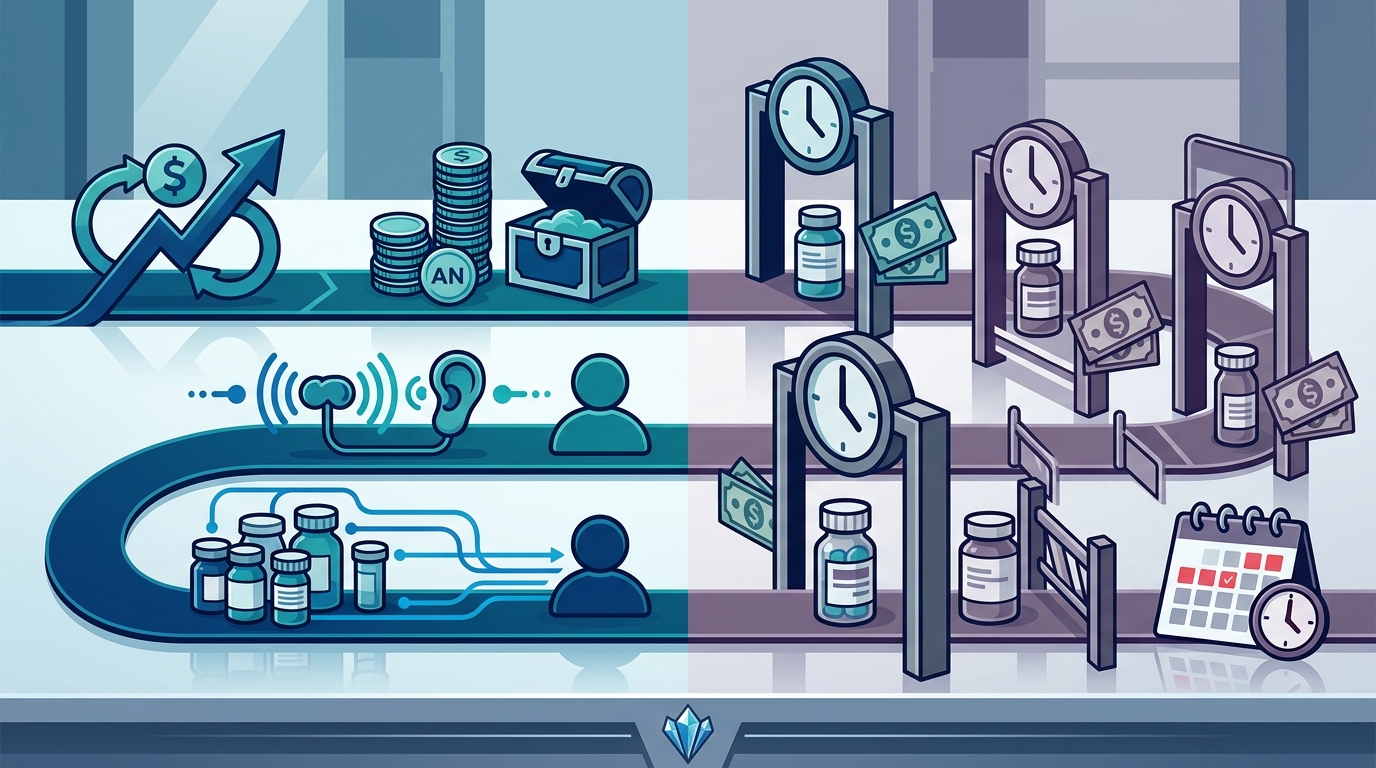
Traditional psychiatric practices often have long wait times for new patients. Scheduling an appointment can take weeks or months. Once in the system, rescheduling can be difficult. Cancellation policies may apply fees. This lack of flexibility is a major pain point for busy professionals. It can lead to missed appointments and gaps in care.
Concierge plans prioritize access. They offer priority scheduling for enrolled patients. Last-minute appointments are often available. Cancellation and rescheduling are typically free of charge. This flexibility accommodates the unpredictable nature of professional and personal life. It ensures that patients can see their provider when they need to, without penalty. This reduces the stress associated with managing healthcare logistics.
Priority Access for Urgent Issues
Cost Structure and Financial Predictability
Concierge psychiatry uses a flat annual fee. This fee covers unlimited medication management visits. It includes direct communication and priority access. The cost is fixed and predictable. Patients know exactly what they will pay for the year. This eliminates surprise bills. It simplifies budgeting for healthcare. The flat fee structure aligns the provider's incentive with patient outcomes rather than visit volume. according to Evolution and ADHD
Insurance and HSA Compatibility
Treatment Personalization and Care Depth
Traditional care often follows standardized protocols. Visits are structured around specific diagnostic criteria. While effective, this can feel impersonal. The provider may not have time to explore the full context of the patient's life. This can limit the depth of the therapeutic relationship. Care is focused on the immediate clinical presentation.
Genetic Testing and Advanced Tools
Medication Management Speed and Continuity
Managing ADHD medications, especially stimulants, requires precision. Traditional care can have gaps in refill timing. Insurance prior authorizations can delay prescriptions. Pharmacy shortages can interrupt supply. These delays can lead to missed doses and symptom rebound. The process is often reactive and slow.
Concierge psychiatry streamlines medication management. Providers use electronic prescribing and prior authorization tools. They can secure insurance approvals quickly. They work directly with pharmacies to resolve shortages. This proactive approach ensures continuity of care. Patients receive their medications on time. The provider monitors response and adjusts as needed. This speed and reliability are critical for maintaining stability.
Handling Stimulant Shortages
National supply shortages are a common challenge. Concierge providers have established relationships with pharmacies. They can offer alternative formulations or strengths. They guide patients through the process without disruption. This expertise is invaluable during supply crises. It ensures that patients remain on their effective regimen. The provider acts as an advocate, navigating the complex regulatory and supply landscape.
Comparison of Care Models
| Feature | Traditional Psychiatry | Concierge Psychiatry |
|---|---|---|
| Appointment Frequency | Monthly or Quarterly | As Needed (Unlimited) |
| Communication | Phone/Portal (Delayed) | Direct Text/Email (Rapid) |
| Cost Structure | Per Visit (Variable) | Flat Annual Fee (Fixed) |
| Scheduling | Standard Wait Times | Priority/Last-Minute Access |
| Medication Management | Standard Refill Process | Proactive/Expedited Support |
Key Takeaways
- Concierge psychiatry replaces rigid monthly visits with unlimited as-needed appointments.
- Direct provider access via text or email allows for rapid response to side effects.
- Flat annual fees provide financial predictability and eliminate per-visit costs.
- Priority scheduling and free cancellation accommodate busy professional lifestyles.
- Personalized care plans address individual biological and lifestyle factors.
- Proactive medication management ensures continuity despite insurance or supply issues.
- The model aligns provider incentives with patient outcomes rather than visit volume.
- Technology-enabled communication streamlines administrative processes and reduces friction.
Frequently Asked Questions
Is concierge psychiatry covered by insurance?
The concierge fee is typically paid out-of-pocket and is not covered by insurance. However, it is often HSA and FSA compatible. Specific diagnostic evaluations or non-concierge services may still be covered by insurance. Patients should check their specific plan details.
Can I use my HSA card for the annual fee?
Yes, most concierge practices accept HSA and FSA cards for the annual fee. This allows patients to use pre-tax dollars for their healthcare expenses. You should inform your provider when you intend to use these funds.
How fast can I get a response from my provider?
Concierge providers typically respond to messages within hours, not days. This rapid response time is a key benefit of the model. It ensures that urgent issues are addressed promptly.
Do I still need to see a therapist?
Concierge psychiatry focuses on medication management and psychiatric care. It does not replace psychotherapy. Many patients benefit from working with an ADHD-focused therapist or coach alongside their psychiatrist. The two services are complementary.
What happens if I move to a different state?
Continuity of care depends on the provider's licensing. Some practices are licensed in multiple states to accommodate patient relocation. You should verify the provider's licensing in your new state before transferring care.
Is the concierge fee worth it for stable patients?
For stable patients, the value lies in access and peace of mind. The flat fee covers unlimited visits and direct communication. This can be beneficial if you experience occasional issues or need quick adjustments. It provides a safety net without the cost of frequent visits.
How does concierge care handle medication shortages?
Providers work directly with pharmacies to find alternatives. They may adjust formulations or strengths to ensure continuity. This proactive approach minimizes disruption to your treatment. It is a significant advantage over traditional care during supply crises.
Can I cancel my concierge plan at any time?
Most concierge plans offer flexibility to cancel or reschedule without fees. You should review the specific terms of the plan before enrolling. This flexibility is a core feature of the concierge model.
Conclusion
Concierge psychiatry offers a superior model for ADHD management in the modern era. It addresses the specific needs of busy professionals by providing flexibility, access, and predictability. The shift from visit-based care to outcome-based care is a significant improvement. It reduces the administrative burden and increases the quality of the provider-patient relationship. For individuals seeking reliable, responsive ADHD care, this model is a compelling option.
Explore concierge plans at SF Psychiatric to find the right fit for your needs. Our team is dedicated to providing expert, ADHD-friendly care in San Francisco, Seattle, and New York City. Take the first step toward optimized mental health today.