

Concierge psychiatry replaces rigid, visit-based appointments with a continuous, patient-centered support model. This approach prioritizes direct communication and flexible scheduling over standard insurance billing cycles. This guide details how concierge care differs from traditional psychiatric care for ADHD across five critical dimensions. We examine access, appointment length, payment structures, medication management, and communication availability. The goal is to help you choose the right care model for your professional and personal needs.
Access and Scheduling
Traditional psychiatric care often operates on a strict appointment-based system. Patients must schedule visits weeks in advance to address new symptoms or medication adjustments. This model creates friction for busy professionals with unpredictable schedules. Concierge psychiatry is a care model that prioritizes immediate access and flexibility. It replaces the standard booking queue with a responsive support structure.
Flexibility in Scheduling
Concierge plans typically allow patients to cancel, reschedule, or book last-minute appointments without penalty. This flexibility is crucial for individuals managing ADHD in high-pressure environments. Traditional insurance-based care often imposes fees for late cancellations or requires significant lead time. The concierge model removes these administrative barriers. It ensures that care is available when the patient needs it, not when the calendar allows it.
Priority Access
Priority access is a core component of concierge ADHD care. It provides fast, worry-free responses for unexpected or urgent issues. In traditional settings, urgent needs often result in long wait times for a callback. Concierge providers offer direct lines to their care team. This ensures that critical medication issues or symptom flare-ups are addressed promptly. The focus shifts from administrative processing to immediate clinical support.
Appointment Length
Traditional psychiatric visits are typically limited to 15 to 30 minutes. These short windows are designed to accommodate high patient volumes. They often leave little time for in-depth discussion of complex ADHD symptoms. Concierge psychiatry is a service model that extends appointment duration to allow for comprehensive care. It recognizes that ADHD management requires more than a quick check-in.
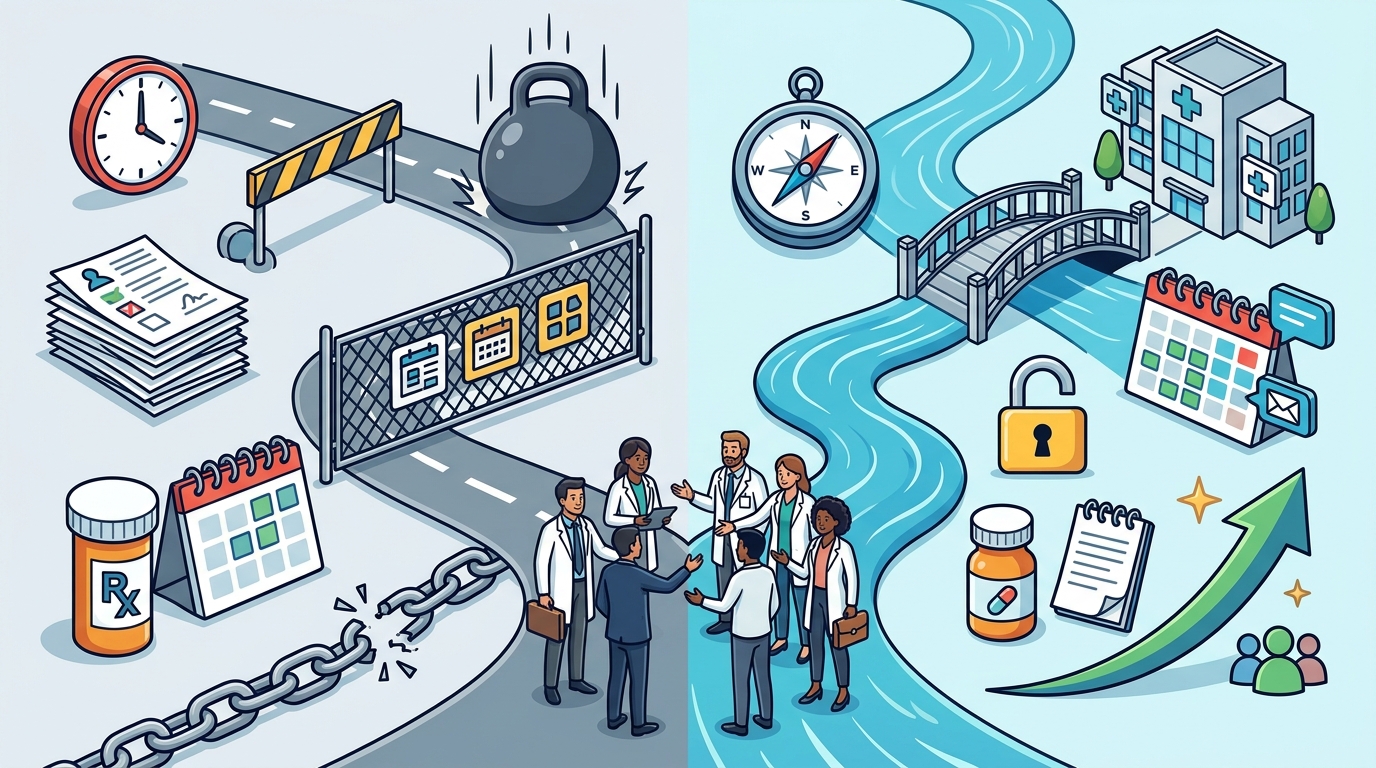
Depth of Clinical Interaction
Reduced Visit Frequency
Because concierge appointments are longer and more comprehensive, the frequency of required visits may decrease. Traditional care often mandates monthly or bi-monthly visits for medication management. Concierge care may consolidate these interactions into fewer, more meaningful sessions. This reduces the administrative burden on the patient. It allows for a more sustainable long-term treatment plan.
Payment Models
Traditional psychiatric care relies on insurance reimbursement. Patients pay copays and deductibles, and providers must navigate prior authorizations. This model can lead to delays in care and limited provider choice. Concierge psychiatry is a fee-for-service model that operates outside the traditional insurance framework. It offers a predictable, flat-rate payment structure for ongoing care.
Annual Membership Fees
Concierge plans are typically structured as annual memberships. This provides a fixed cost for unlimited or expanded access to care. Patients know their financial commitment upfront, eliminating surprise bills. The fee covers the enhanced services and direct communication channels. It simplifies the financial aspect of mental health management. This predictability is a significant advantage for budget-conscious professionals.
Insurance and HSA Compatibility
While concierge care is often out-of-network, it can be compatible with Health Savings Accounts (HSA) and Flexible Spending Accounts (FSA). Patients can use these funds to pay for their annual membership. Some concierge providers also accept specific insurance plans for certain services. It is important to verify coverage details with your provider. This hybrid approach allows patients to leverage existing financial resources while accessing premium care.
Medication Management Frequency
Medication management is a critical component of ADHD treatment. Traditional care often requires in-person visits for each prescription refill. This is due to regulatory requirements for controlled substances. Concierge psychiatry is a care approach that streamlines medication management through technology and direct communication. It reduces the friction associated with obtaining and maintaining prescriptions.
Unlimited Management Visits
Many concierge plans include unlimited medication management visits. This allows patients to adjust their medication as needed without scheduling a new appointment. It is particularly useful during the titration phase of treatment. Traditional care may limit the number of visits per month. This can slow down the process of finding the optimal medication dose. Concierge care accelerates this process, leading to faster stabilization.
Supply Shortage Solutions
Concierge providers often have established protocols for navigating medication shortages. They can quickly identify alternative formulations or strengths. This proactive approach prevents treatment interruptions. Traditional care may leave patients to navigate these issues independently. The concierge model provides a safety net for medication access. It ensures continuity of care even in the face of supply chain disruptions.
Direct Communication Availability
Communication is a cornerstone of effective ADHD care. Traditional psychiatric care typically limits communication to scheduled visits. Patients must wait for their next appointment to discuss concerns. Concierge psychiatry is a model that enables direct, secure communication between patients and providers. It bridges the gap between appointments with continuous support.
Secure Messaging and Texting
Concierge plans often include direct communication via text, phone, or email. This allows patients to ask questions or report side effects in real-time. Providers can respond promptly, often within the same day. This immediacy is crucial for managing ADHD symptoms. It reduces anxiety and ensures that patients do not feel abandoned between visits. The direct line to the provider fosters a stronger therapeutic alliance.
Privacy and Discretion
Direct communication channels are often HIPAA-compliant and secure. They provide a private space for patients to discuss sensitive health issues. This is particularly important for professionals who value discretion. Traditional care may involve waiting rooms and shared spaces. Concierge care often includes discreet physical offices or fully remote options. This privacy enhances the patient experience and encourages open dialogue.
Comparison Table
| Feature | Traditional Psychiatric Care | Concierge Psychiatry |
|---|---|---|
| Scheduling | Fixed appointments, weeks in advance | Flexible, last-minute, no penalty |
| Appointment Length | 15-30 minutes | Extended, comprehensive sessions |
| Payment Model | Insurance copays, deductibles | Annual membership fee, HSA/FSA compatible |
| Medication Management | Visit required for refills | Unlimited visits, direct messaging |
| Communication | Phone/email between visits (limited) | Direct text, phone, email with provider |
| Access | Standard queue, wait times | Priority access, fast responses |
Key Takeaways
- Concierge psychiatry offers flexible scheduling with no penalties for last-minute changes.
- Appointments in concierge care are longer, allowing for deeper clinical discussions.
- The payment model is a flat annual fee, providing financial predictability.
- Medication management is streamlined with unlimited visits and direct communication.
- Direct communication channels like text and email are available for real-time support.
- Concierge care prioritizes privacy and discretion in the patient-provider relationship.
- This model is ideal for busy professionals seeking continuous, responsive ADHD care.
Frequently Asked Questions
Is concierge psychiatry covered by insurance?
Concierge psychiatry is typically an out-of-network service. However, many plans are compatible with HSA and FSA cards. You should verify your specific insurance benefits with your provider.
How often do I need to see a concierge psychiatrist?
Concierge plans often include unlimited medication management visits. The frequency of in-person or video visits depends on your individual treatment needs and stability.
Can I use concierge care for new ADHD diagnoses?
Yes, concierge providers can perform initial evaluations and diagnoses. They offer a comprehensive assessment to determine if ADHD is an accurate diagnosis for you.
What is the difference in appointment length?
Traditional visits are usually 15 to 30 minutes. Concierge appointments are extended to allow for a more thorough review of symptoms and treatment progress.
How does direct communication work?
Concierge plans include secure messaging via text, phone, or email. This allows you to contact your provider directly between scheduled appointments.
Is concierge care only for stimulants?
No, concierge care covers all aspects of ADHD treatment. This includes non-stimulant medications, therapy referrals, and co-occurring conditions like anxiety or depression.
Can I cancel my concierge plan?
Conclusion
Choosing between concierge and traditional psychiatric care depends on your specific needs and lifestyle. Concierge psychiatry offers a more flexible, responsive, and comprehensive approach to ADHD management. It is designed for individuals who value direct communication and continuous support. SF Psychiatric provides this level of care for busy professionals in San Francisco, Seattle, and New York City. Their concierge plans include unlimited medication management visits and direct communication channels. If you are looking for a more personalized and accessible ADHD treatment experience, consider exploring concierge options. Contact SF Psychiatric to learn more about our services and how they can support your mental health journey.