

A good ADHD psychiatrist treats medication management as a dynamic partnership rather than a static prescription. For working professionals, this means prioritizing flexible access, proactive shortage mitigation, and consistent communication. SF Psychiatric exemplifies this model by replacing rigid visit schedules with direct messaging and unlimited medication adjustments. This approach ensures that clinical support remains available when work demands spike or supply issues arise, keeping your treatment stable without the friction of traditional healthcare systems.
Defining the Modern Medication Management Model
Traditional psychiatric care often relies on monthly check-ins that do not align with the unpredictable schedules of busy professionals. A modern approach redefines the provider-patient relationship to focus on outcomes and accessibility. Medication management is the ongoing process of adjusting, monitoring, and supporting psychiatric prescriptions to optimize therapeutic benefit while minimizing side effects. For adults with ADHD, this requires a provider who can respond quickly to changes in work stress, sleep patterns, or medication efficacy.
At SF Psychiatric, the care model is built on the premise that patients should not have to wait weeks for a minor dose adjustment. The practice utilizes a concierge-style framework where unlimited medication management visits are included in the annual plan. This structure allows for rapid iteration. If a current dose is causing jitteriness or not providing enough focus, the provider can adjust the prescription immediately via direct messaging or a brief telehealth visit. This agility is critical for professionals who cannot afford days of reduced cognitive performance.
Navigating Stimulant Shortages and Supply Chain Issues
One of the most significant challenges in ADHD medication management is the frequent shortage of stimulant medications. Adderall, Vyvanse, Concerta, and Ritalin are Schedule II controlled substances, which means they are subject to strict production quotas and supply chain vulnerabilities. A competent psychiatrist anticipates these disruptions rather than reacting to them in a panic. They maintain a strategic relationship with pharmacies and understand the regulatory landscape that governs controlled substance dispensing.
The Role of Direct Communication and Technology
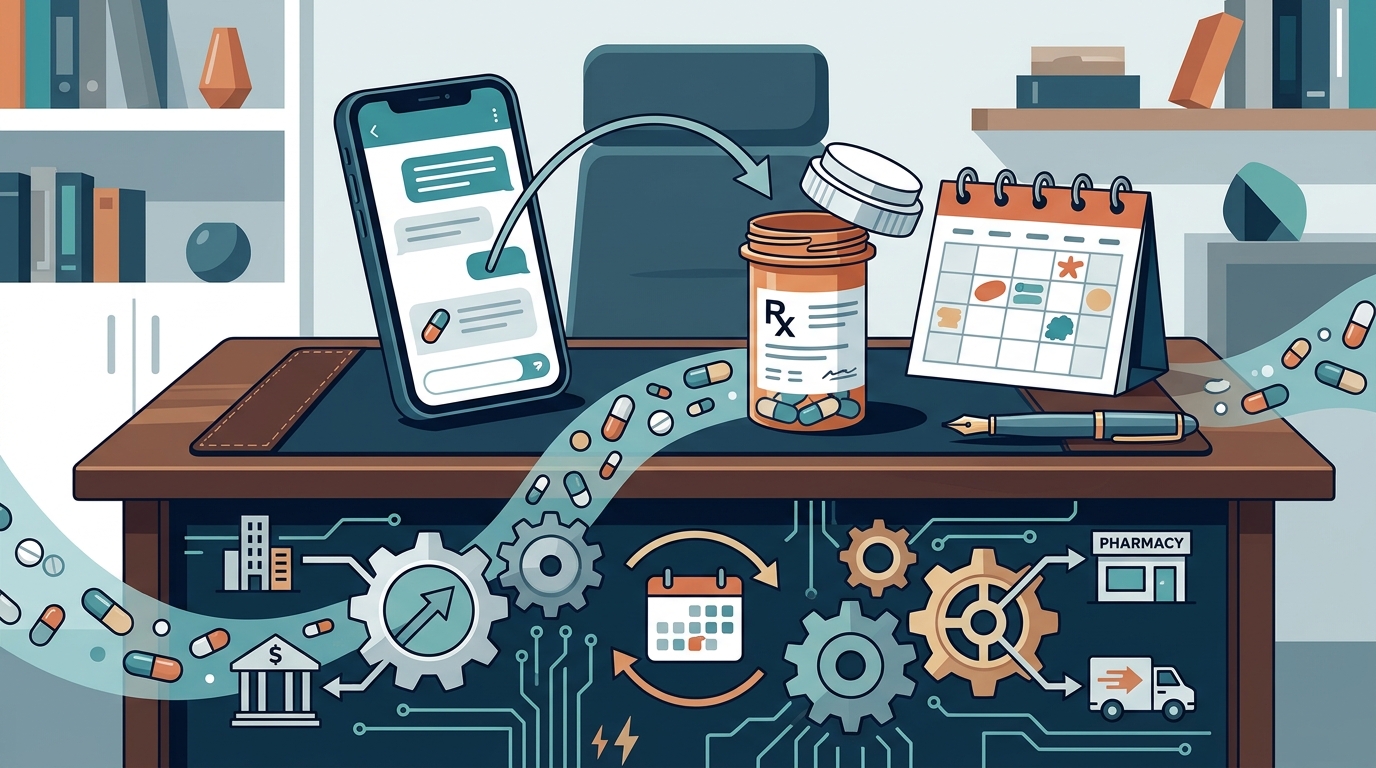
Effective medication management requires a channel for communication that is faster than a standard phone queue. Many traditional practices rely on voicemail or email with 48-hour response times, which is often too slow for acute medication issues. A modern ADHD psychiatrist leverages technology to provide secure, direct access. This includes HIPAA-compliant messaging platforms where patients can report side effects, request refills, or ask questions without scheduling a full appointment.
Technology also streamlines the administrative side of care. SF Psychiatric uses electronic prescribing and prior authorization tools to expedite the process. For example, the practice utilizes electronic prior authorization systems to secure insurance approval for medications, often on the same day the prescription is submitted. This reduces the wait time for the pharmacy to fill the script. Additionally, self-scheduling platforms allow patients to book or cancel visits without penalty. This technological integration ensures that the administrative burden of healthcare does not become a barrier to receiving timely clinical support.
Balancing Efficacy with Lifestyle and Side Effects
Medication is not a one-size-fits-all solution. A skilled psychiatrist carefully balances the therapeutic benefits of stimulants or non-stimulants against potential side effects and lifestyle impacts. For working professionals, this often involves managing appetite suppression, sleep onset latency, and energy crashes. The provider must monitor these factors closely and adjust the treatment plan accordingly. This might mean switching from a long-acting stimulant to a combination of immediate and extended-release formulations to better match the patient's daily schedule.
Furthermore, a good psychiatrist considers the broader context of the patient's health. They assess for comorbid conditions such as anxiety or depression, which can influence medication choice. For instance, if a patient experiences significant anxiety with stimulants, the provider might explore non-stimulant options like atomoxetine or bupropion. SF Psychiatric takes a holistic view, ensuring that the medication supports the patient's overall well-being, not just their cognitive performance. This comprehensive approach helps prevent the cycle of trial and error that often leads to patient frustration and disengagement.
Ensuring Continuity of Care Across Locations
Many working professionals relocate for career opportunities, which can disrupt their psychiatric care. A good ADHD psychiatrist facilitates a smooth transition of care, especially when controlled substances are involved. This involves providing clear documentation of the diagnosis, treatment history, and current medication regimen. The provider also ensures that the patient understands the regulatory requirements for transferring controlled substance prescriptions across state lines.
SF Psychiatric supports continuity of care for patients in California, New York, and Washington. The practice maintains a professional office in San Francisco for in-person evaluations, which can be helpful for establishing a new pharmacy relationship. However, the majority of ongoing care is delivered via telehealth, allowing patients to maintain their treatment plan while moving between tech hubs. This flexibility is essential for professionals whose careers require geographic mobility. By ensuring that the care relationship remains stable, the psychiatrist helps the patient avoid gaps in treatment that could lead to symptom relapse.
Key Takeaways
- Flexibility is key: A good psychiatrist offers unlimited medication management visits and direct communication channels to address issues quickly.
- Proactive shortage management: Providers should anticipate supply chain issues and have alternative formulations ready to prevent treatment gaps.
- Technology integration: Use of electronic prescribing and secure messaging platforms streamlines the administrative process and reduces wait times.
- Holistic assessment: Medication choices should consider comorbid conditions and lifestyle impacts, not just cognitive symptoms.
- Continuity of care: The provider should support patients who relocate, ensuring a smooth transition of controlled substance prescriptions.
- Consistency in pharmacy use: Patients benefit from using a single pharmacy and prescriber to maintain a clear medication history and avoid regulatory flags.
Frequently Asked Questions
How often should I see my psychiatrist for ADHD medication management?
With a modern concierge model, you may not need monthly visits. Many patients only require a visit when their medication needs change or for an annual review. Unlimited access via direct messaging allows for quicker adjustments without the burden of scheduling a full appointment.
What happens if my ADHD medication is out of stock?
Your psychiatrist will work with your pharmacy to find an alternative formulation or dose. They may switch you to a similar medication in the same class, such as using dexedrine instead of Adderall, to ensure you do not experience a gap in treatment.
Can I use telehealth for my initial ADHD evaluation?
While telehealth is widely used for ongoing care, an initial in-person visit is often recommended for new patients. This helps establish a baseline and can make the process of starting a new pharmacy relationship smoother, as some pharmacists prefer to verify the first visit was in person.
How does a psychiatrist handle insurance prior authorizations?
Many practices use electronic prior authorization tools to submit requests to insurance carriers. This can often secure approval on the same day the prescription is submitted, reducing the wait time for the pharmacy to fill your medication.
Is it safe to take breaks from my ADHD medication?
Yes, taking breaks from stimulant medication is generally safe and can help prevent tolerance. Your psychiatrist can guide you on how to take breaks effectively, such as skipping medication on weekends, to maintain its efficacy when you need it most.
What should I do if I am moving to a different state?
Inform your psychiatrist about your move. They can provide the necessary documentation and ensure that your prescriptions are transferred appropriately. Some practices, like SF Psychiatric, are licensed in multiple states to maintain continuity of care for patients who relocate.
Conclusion
Effective ADHD medication management for working professionals requires a provider who prioritizes accessibility, responsiveness, and strategic planning. By leveraging technology, maintaining proactive communication, and navigating supply chain challenges, a good psychiatrist ensures that your treatment remains stable and effective. SF Psychiatric offers this level of care through its flexible, patient-centered model. To begin your journey toward optimized ADHD management, to schedule a consultation. Learn more: ADHD Friendly Psychiatry SF.